Digital Citizen Corner
Digital Addiction: When the Online World Takes Too Much of Our Time
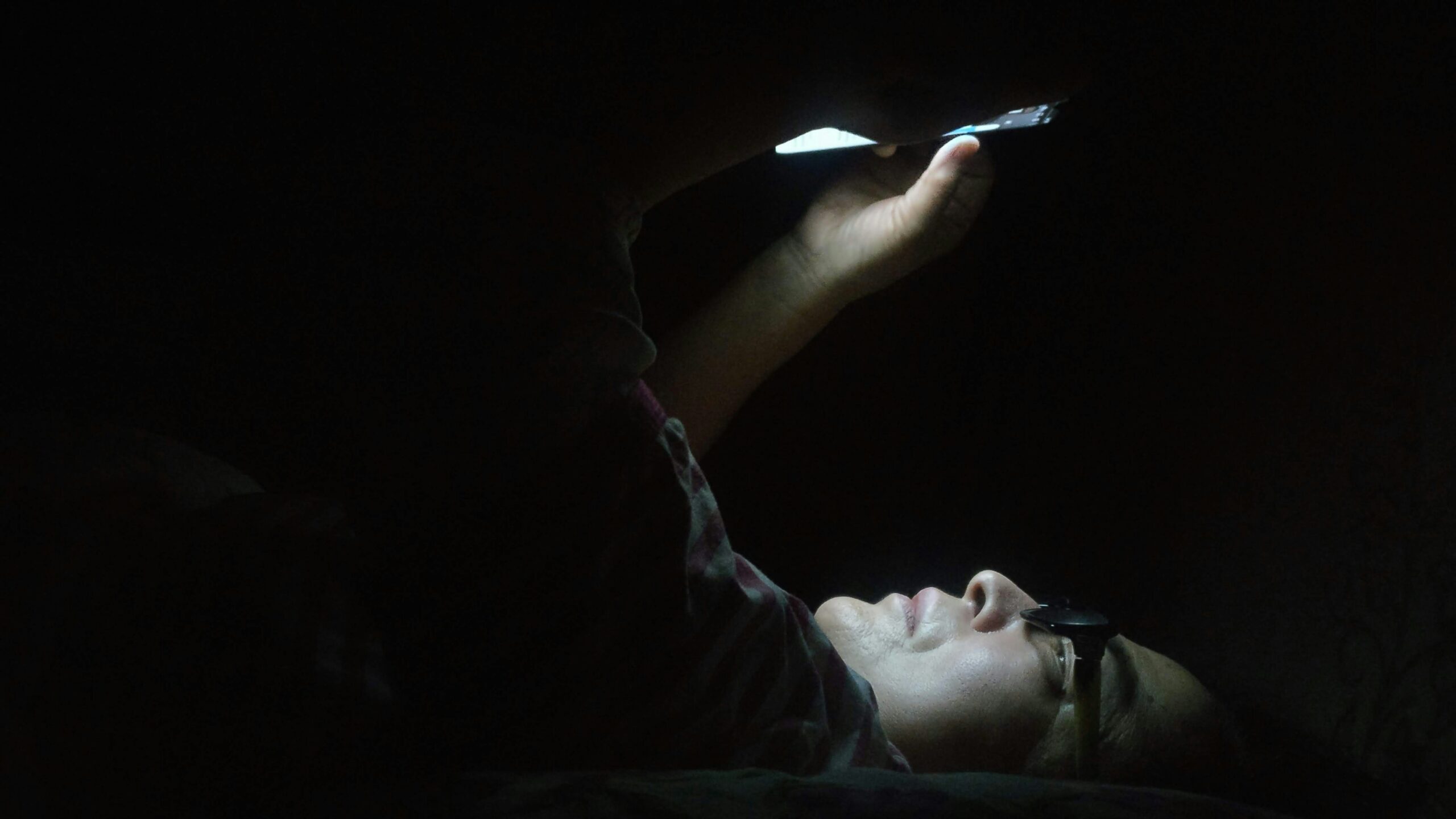
Have you ever picked up your phone to check one message, only to look up and realize that much more time has passed than you expected? What began as a quick glance turns into scrolling, watching, clicking—and suddenly, an hour is gone.
Moments like these have become common in today’s connected world. Our devices are designed to keep us engaged, and often, they succeed. While technology helps us stay informed and connected, it can also quietly take up more of our time and attention than we realize.
This growing pattern is often described as digital addiction.
Why It Matters
When too much time is spent online, it can begin to affect how we live offline.
Students may find it harder to focus on schoolwork. Adults may struggle with constant distractions. Sleep can be interrupted by late-night screen use, and meaningful conversations can be replaced by silent scrolling.
Over time, excessive digital use can also affect how people feel—leading to stress, reduced concentration, or a sense of disconnection from the world around them.
The issue is not technology itself, but the balance between online and offline life.
Recognizing the Signs
Digital addiction does not always look obvious. It often appears in small, repeated habits:
Losing track of time online.
What feels like a few minutes turns into much longer.
Feeling uneasy without your device.
There may be discomfort or restlessness when a phone or internet access is not available.
Neglecting important tasks.
Responsibilities, studies, or relationships may be affected.
Checking devices constantly.
Even without notifications, there is a strong urge to look at the screen.
Becoming aware of these patterns is the first step toward change.
Finding a Healthier Balance
Building healthier habits does not mean giving up technology. It means using it with intention.
Set limits for screen time.
Tracking usage can help you understand where your time is going.
Create device-free moments.
Simple routines—like putting phones away during meals—can make a big difference.
Reduce unnecessary notifications.
Fewer interruptions can improve focus and reduce the urge to check devices.
Reconnect with offline activities.
Spending time outdoors, reading, or engaging in hobbies can help restore balance.
Small changes, practiced consistently, can lead to meaningful improvement.
A Moment to Reflect
Technology is one of the most powerful tools of our time. It connects us, informs us, and supports many aspects of our daily lives. But it also competes for one of our most valuable resources—our attention.
Digital addiction is not about blame. It is about awareness.
When we begin to notice how often we reach for our devices, how long we stay, and how it affects our lives, we take the first step toward change. Choosing when to disconnect can be just as important as choosing when to connect.
In the end, the question is not whether we use technology, but whether we are using it in a way that supports the life we want to live.
Image credit: Photo by Bagzhan Sadvakassov on Unsplash
written by Bryan Senfuma
Bryan is a Digital Rights Advocate, Digital Security Subject Matter Expert, Photographer, and Writer. His articles aim to simplify complex tech issues and inspire readers to make informed, confident choices online. Email: bryantravolla@gmail.com