Viewpoint
If the problems we create outlast our lives…
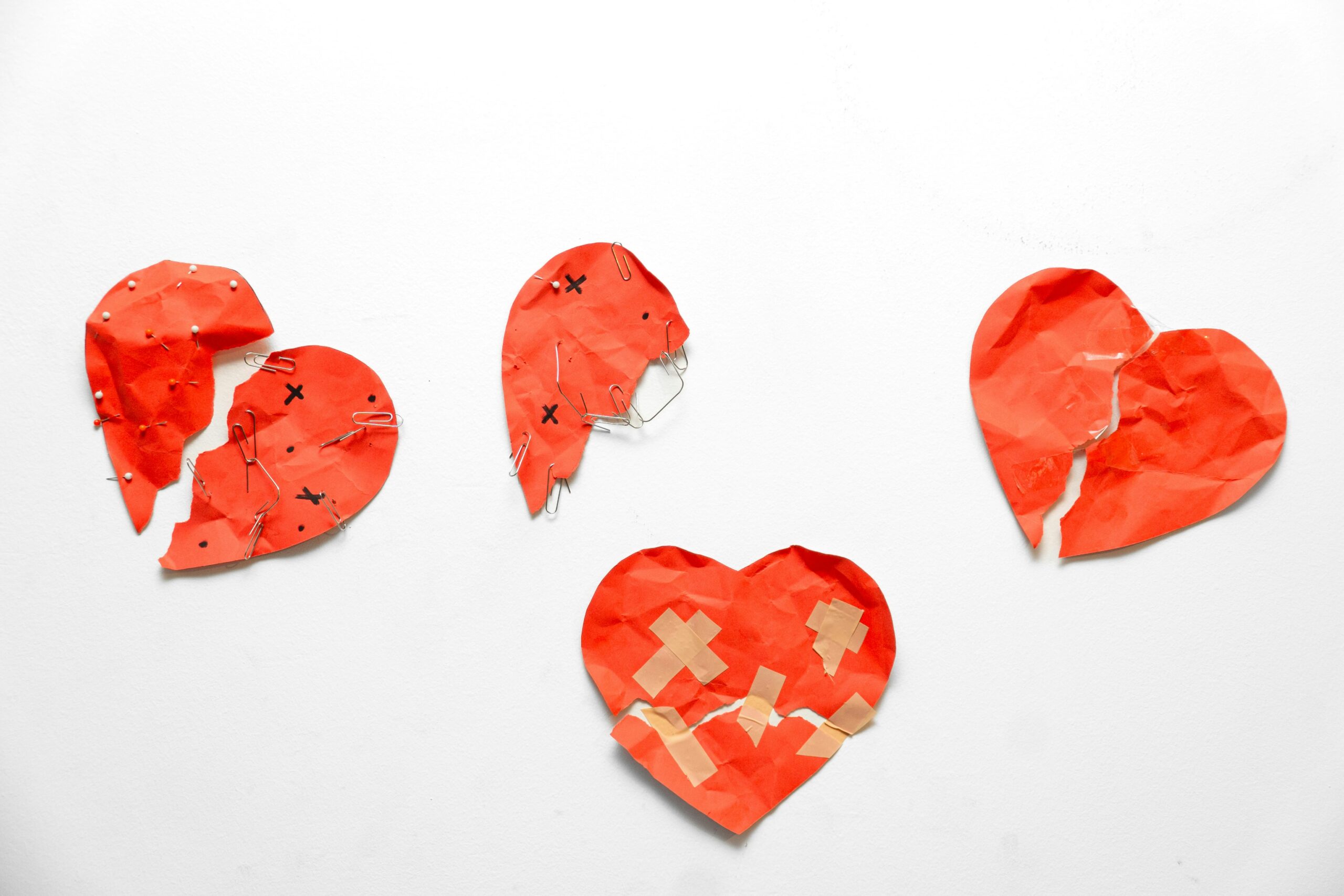
Life presents us with certain choices: we become either the creator of a problem, a part of it, or its solver. This holds true in every aspect of life—within the family, among friends, at the workplace, and even in the realms of government and politics. There is a direct link between the scale of the problem we create and the position from which we create it.
The effects of problems we create within the family are, of course, not the same as the effects of problems we create while managing a company or the state.
The problems we create are sometimes resolved immediately, sometimes span years, and sometimes persist for years—or even centuries—after we have died. Just as the borders between countries drawn decades ago remain a source of conflict in many places today.
Families sometimes have problems that persist across generations. Even if you do not wish to be a part of this, the way others treat you deeply affects your own life and relationships.
Consider a set of parents. At times, the discriminatory behavior they display toward their children creates deep rifts between them. For instance, problems arising from an unfair division of inheritance can affect the relationship between siblings for generations. Without even realizing it, we sometimes turn our children into enemies—both of ourselves and of one another. The consequences can persist even after we have passed away.
Problems created by a head of state solely out of personal political ambition affect the entire population of that country. Moreover, if that country is one that exerts influence over other nations, the repercussions of the problem reach a global scale.
For example, U.S. President Trump currently has such an impact. It is not just U.S. citizens; people all over the world are affected by the consequences of the decisions he makes.
In a television interview I watched, California Governor Gavin Newsom was asked about the lasting effects of the problems created by Trump. His response was interesting; he said, “I have good news for you: Trump is not permanent.” He subsequently emphasized on various occasions that the Trump administration was not permanent. In fact, at the Munich Security Conference in February 2026, Governor Newsom stated: “Donald Trump is temporary. He’ll be gone in three years.”
However, because Trump has deeply shaken established orders that have stood for decades, repairing the resulting damage may not be easy, even after he leaves office. In international politics, for instance, Canada and the US have long been viewed as twin siblings; yet, recent times have seen an erosion of trust in the relationship between the two countries. A loss of trust is one of the hardest things to remedy—whether in family and friendships or in international relations.
Let us not belabor the point: resolving problems of our own making while we are still alive must be our top priority. This applies to every aspect of life—whether within the family, in professional life, or in state administration.
There is a direct connection between how we are remembered after death and what we did while alive. Everyone reaps after death exactly what they sowed in life. I hope that each person reading these lines leaves behind a legacy that ensures they are remembered fondly within their families and social circles.
Written by Prof. Dr. Osman OZSOY