Poetry
Shall I compare thee to a summer’s day?

William Shakespeare(1564 ~ 1616)
Shall I compare thee to a summer’s day?
by William Shakespeare (Sonnet 18)
Shall I compare thee to a summer’s day?
Thou art more lovely and more temperate:
Rough winds do shake the darling buds of May,
And summer’s lease hath all too short a date:
Sometime too hot the eye of heaven shines,
And often is his gold complexion dimm’d;
And every fair from fair sometime declines,
By chance, or nature’s changing course, untrimm’d;
But thy eternal summer shall not fade,
Nor lose possession of that fair thou owest;
Nor shall Death brag thou wander’st in his shade,
When in eternal lines to time thou growest:
So long as men can breathe or eyes can see,
So long lives this, and this gives life to thee.
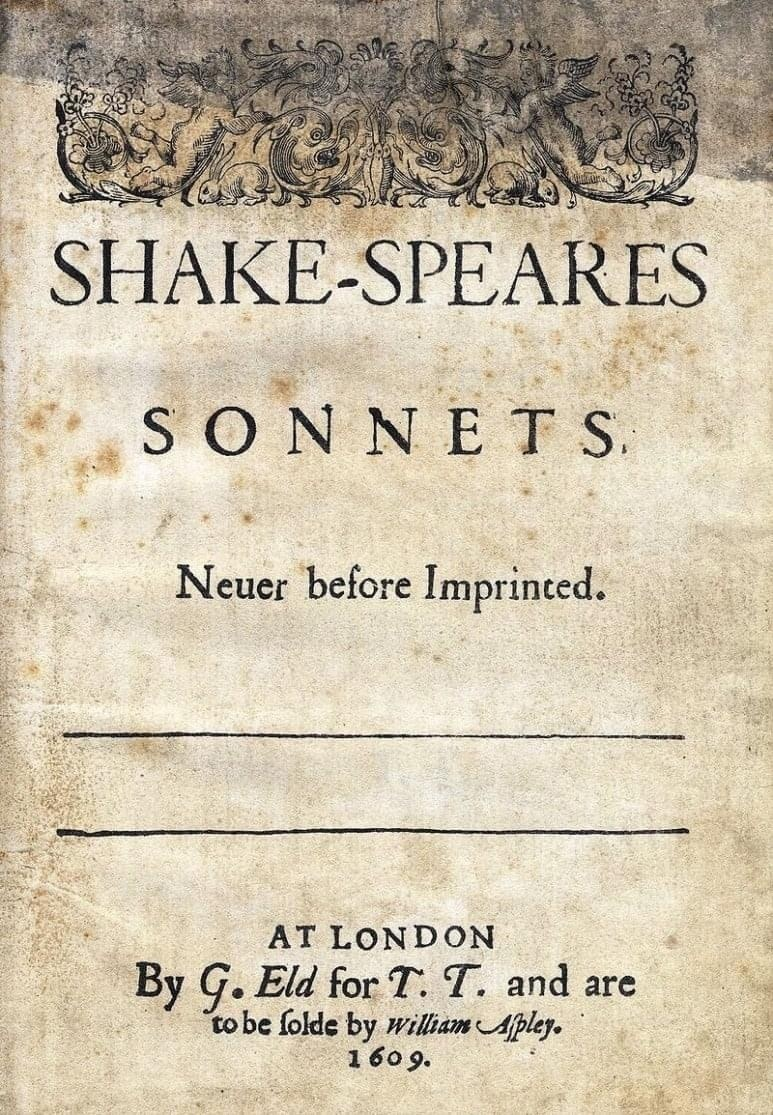
Shall I Compare You to a Summer’s Day? (Modern English Version)
Should I compare you to a summer’s day?
You’re more lovely and more gentle.
Rough winds shake the sweet buds of May,
And summer doesn’t last very long.
Sometimes the sun shines too hot,
And other times its golden light is hidden by clouds.
Everything beautiful fades eventually—
By chance, or by nature’s inevitable changes.
But your eternal beauty won’t fade
Nor will you lose the loveliness that you possess.
Death won’t be able to claim you.
Because in these verses, you will live on forever.
As long as people live and eyes can see,
These lines will live—and through them, so will you.
The Language of Eternity: Shakespeare’s Sonnet 18 and the Power of Art to Defy Time
“Shall I compare thee to a summer’s day?”
This iconic opening line from Shakespeare’s Sonnet 18 remains one of the most frequently quoted in English literature. At first glance, it may appear to be a tender compliment from lover to beloved. Yet beneath this apparent simplicity lies a far more profound meditation—on art, time, and the enduring power of memory.

“Why a “summer’s day”?
Summer, in our imagination, often symbolizes the year’s zenith—its warmth, vitality, and light at their peak. So when Shakespeare poses the question of whether to liken his beloved to such a day, we naturally anticipate a heartfelt affirmation. Yet almost immediately, he subverts this expectation. Summer, he reminds us, is flawed: the sun can shine too fiercely, clouds and winds can mar its beauty, and most inevitably, summer fades. It is fleeting. The subject of his poem—the person he writes about—possesses a beauty that transcends the seasons. This lasting quality is not rooted in outward appearance but in where that beauty is preserved: within the lines of the poem itself. The beloved’s radiance does not fade, not because time has no power, but because verse renders it timeless.

Can poetry grant immortality?
That is the true power Shakespeare claims for his art. “But thy eternal summer shall not fade…” he writes. As long as readers continue to engage with the poem, the beloved remains alive—in minds, memories, and the cultural imagination. This is a bold assertion of the enduring force of language and creative expression.
In this way, Sonnet 18 becomes not only a tribute to another, but a reflection on Shakespeare’s own legacy. He affirms that writing—especially poetry—possesses the power to defy time, to preserve what matters, and to keep someone alive in the imagination of others, even centuries later.

Why Sonnet 18 Still Matters Today?
For contemporary readers, especially those in academic or literary circles, Sonnet 18 transcends the label of an “old-fashioned love poem.” It speaks to a fundamental human impulse: the desire to preserve meaning, memory, and emotion beyond the limits of time. We long for our experiences and our loved ones to endure.
Shakespeare reminds us that art is a vessel for that endurance. Poetry, storytelling, and writing can capture moments and feelings that might otherwise vanish. If you’ve ever written something to remember someone, or struggled to put an elusive feeling into words, then you’ve already touched the timeless impulse Shakespeare explores.
Through the sonnet, we glimpse a universal yearning—to resist oblivion, to be remembered, and to keep alive what we hold dear. It is this enduring resonance that ensures Sonnet 18 remains not only a literary masterpiece, but a living testament to the power of language and art.
William Shakespeare (1564–1616) :
The Timeless Voice of the Human Spirit
In the quiet town of Stratford-upon-Avon, in the year 1564, a child was born who would give voice to the soul of humanity. His name was William Shakespeare—a poet, a playwright, an actor, a seer of the heart’s hidden chambers. Though centuries have passed, his words still echo, timeless as the stars and as intimate as a whisper.

William Shakespeare is widely regarded as the greatest playwright in the English language and one of the most influential writers in world literature. He lived during the Elizabethan and early Jacobean eras, a time of great artistic and intellectual flourishing. His works continue to shape literature, theatre, and language to this day.
Shakespeare’s contribution to drama and poetry is unparalleled. He authored 39 plays, 154 sonnets, and several narrative poems. His plays—ranging from tragedies such as Hamlet, Macbeth, and Othello, to comedies like A Midsummer Night’s Dream and Twelfth Night—explore universal themes of love, ambition, power, betrayal, and the human condition with profound insight and poetic elegance.
What sets Shakespeare apart is his extraordinary command of language. He expanded the English vocabulary, coined new phrases, and used metaphor and rhythm to bring his characters vividly to life. Through his writing, he captured the complexities of the human psyche in a way that still resonates with modern audiences.
The Sonnets, his 154 lyrical poems, delve into themes such as love, beauty, time, and mortality. They are masterpieces of emotional depth and philosophical reflection, capturing the eternity in a moment—and the moment in eternity.
Beyond literature, Shakespeare’s impact on performance art is immense. Originally performed at the Globe Theatre in London, his plays are now staged more frequently than those of any other playwright around the world. His works transcend time and culture, offering fresh interpretations and inspiration to each new generation.

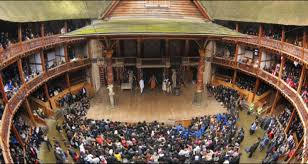
Shakespeare was not only a writer of words—he was a maker of worlds. His Globe Theatre held a mirror to nature, and in it, audiences saw themselves: noble, flawed, joyous, and broken. His language, once the pulse of Elizabethan London, now lives in every tongue that seeks to speak of love, sorrow, ambition, or hope.
He gave the English language hundreds of new expressions—turns of phrase now so familiar we forget they had an origin. But more than that, he gave us a way to speak of the unspeakable—to name the light and shadow of our own hearts.
To read Shakespeare is to hear the voice of life itself—its music, its silence, its laughter, its grief. His words are not relics of the past, but living things, still blooming in the gardens of today’s minds. In a world that continues to evolve, Shakespeare remains a guiding voice—reminding us that though times change, the human spirit remains constant.
As long as we ask who we are, as long as we love and lose, as long as we dream and wonder—Shakespeare walks beside us, a bard beyond time.
the article is written by HeeSun
HeeSun, a poet and storybook writer, illuminates the world with her beautiful poems, songs, and stories, bringing hope and inspiration to those fortunate enough to experience her work. Through her global perspective and commitment to creative expression, HeeSun’s contributions extend beyond borders, weaving a beautiful tapestry of artistry that fosters connection and understanding. She is a member of both the International PEN Club and the Arts and Letters Club of Toronto.