Digital Citizen Corner
Take Back the Tech: Reclaiming Digital Spaces for All
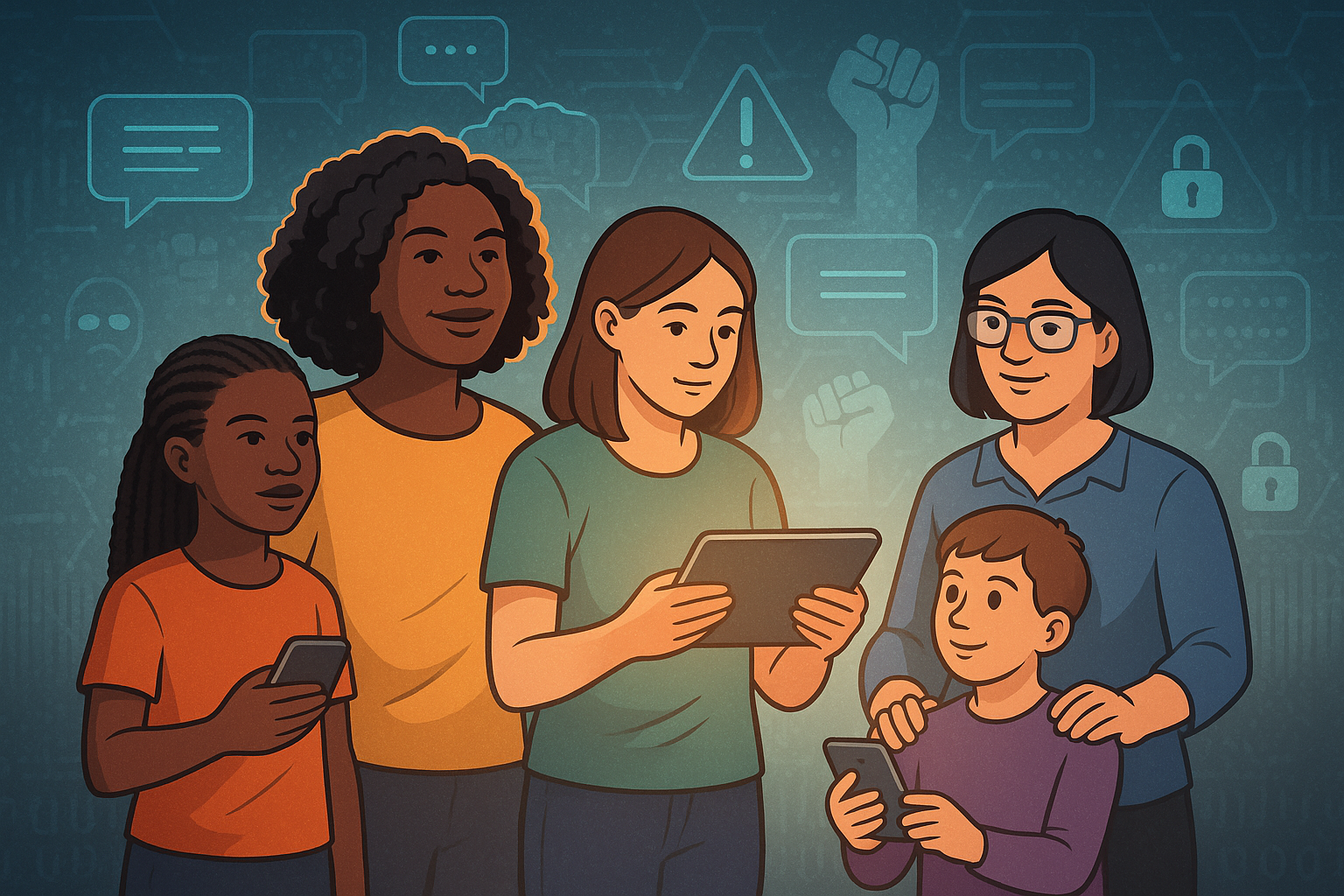
Imagine a world where you hesitate before posting a photo—not because you don’t like how you look, but because you fear what might happen after. For many—especially women, children, youth, and marginalized groups—this is the everyday reality of living and expressing themselves online.
The internet, once a symbol of freedom and creativity, has in many cases become a space of fear, control, and abuse. But that’s not the end of the story. Around the world, people are reclaiming their right to be safe, heard, and respected online. This is the heartbeat of the Take Back the Tech movement: a global campaign to end online violence and promote digital rights, safety, and justice for all.
Why “Taking Back” Matters
Just as public spaces haven’t always been safe or welcoming for women and children, the digital world presents its own dangers. From cyberbullying and online harassment to stalking, grooming, non-consensual image sharing, and hate speech, digital threats continue to rise.
Children and teens are especially vulnerable. Many are online before they fully understand how their personal information, digital footprint, or emotions can be manipulated. Scams, manipulative advertising, and online predators often go unnoticed until harm is done.
When women, children, and other marginalized voices are silenced or pushed aside online, the impact is not just digital. It affects their confidence, safety, and sense of belonging in the real world, too.
What “Taking Back the Tech” Looks Like
Taking back the tech isn’t about walking away from technology—it’s about taking ownership. It means equipping ourselves and others with the knowledge, tools, and support systems to navigate the online world with confidence and care.
Here’s what that looks like in practice:
- Reporting and Blocking Abuse
Learn how to report harmful content. Teach children early how to protect themselves digitally. - Digital Literacy in Schools and Communities
Understand privacy settings, AI bias, and misinformation. Teach how to recognize online manipulation. - Supporting Safer Platforms
Follow and amplify voices that prioritize safety, kindness, and healthy dialogue. - Challenging Harmful Content
Speak up against online trends, memes, or jokes that dehumanize or objectify others. - Championing Positive Tech Use
Whether you’re a parent, teacher, friend, or peer—model healthy digital habits. Your actions set the tone.
The Power of Collective Action
You don’t need a big platform to make a difference. Every time you:
- Speak out against digital abuse,
- Help someone set up privacy protections,
- Share resources for digital safety,
- Or teach a child to think critically online—
You are part of the Take Back the Tech movement.
Campaigns led by youth, educators, survivors, and advocates across the globe are creating real change. They’re designing safer platforms, influencing policy, and building communities of support. But this work also begins at home—with awareness, education, and empathy.
A Future That’s Safer and Smarter
We deserve a digital world where everyone—regardless of age, gender, or background—can express themselves without fear. A world where children can explore and learn online without becoming targets. A world where women and marginalized groups aren’t just present, but heard, protected, and empowered.
Taking back the tech is not about fear—it’s about freedom. And when we reclaim our digital spaces, we create room for creativity, connection, and truth.
Let’s ensure that everyone has a seat at the digital table—and a voice that is heard.
by Bryan Kaye Senfuma
Bryan is a Digital Rights Advocate, Digital Security Subject Matter Expert, Photographer, and a Writer. His articles aim to simplify complex tech issues and inspire readers to make informed, confident choices online. Email: bryantravolla@gmail.com