Digital Citizen Corner
Who Are We Online? Understanding Digital Identity
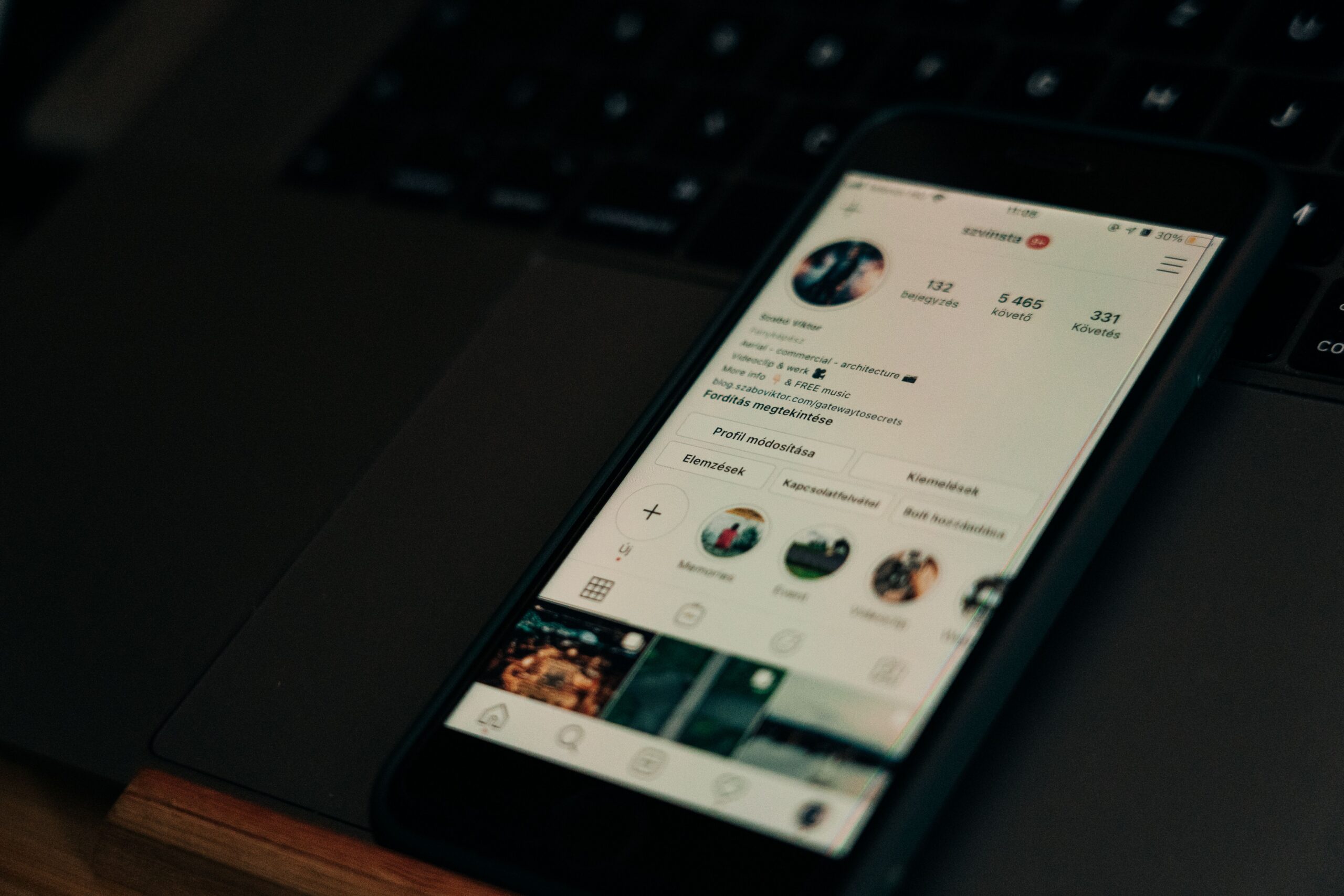
If someone who had never met you looked at your social media accounts, what would they think they knew about you?
They might see the photos you post, the places you visit, the people you follow, the comments you leave, and the things you like or share. From these small pieces of information, they might begin to form an impression of who you are—even though they have never spoken to you.
Most of us do not sit down and deliberately create an online identity. We build one gradually, often without realizing it. Every post, profile, comment, search, and interaction can become another piece of the picture.
So, who are we online? And how much control do we have over the answer?
What Is Digital Identity?
Your digital identity is the collection of information, characteristics, and activities that represent you in digital spaces.
Some parts are created intentionally. Your profile picture, username, biography, photographs, and posts are examples of information you choose to share.
Other parts are created simply through using the internet. The pages you follow, comments you make, websites you visit, purchases you make, and accounts you create can all contribute to your digital identity.
This means our online identity is more than a social media profile. It is built from many small pieces of information spread across different digital spaces.
The Person We Choose to Show
Online spaces give us considerable freedom to decide how we present ourselves.
We usually choose the photograph before posting it. We decide which achievements to celebrate, which experiences to share, and which moments to keep private.
There is nothing necessarily wrong with this. People make similar choices offline. We dress differently for a job interview than we might when relaxing at home, and we communicate differently with friends than we do with a teacher or employer.
The difference online is that the version we present can remain visible long after the moment has passed.
This raises an interesting question: Does our online identity truly represent who we are, or only the aspects of ourselves we choose to reveal?
The Identity We Create Without Realizing It
Not everything about our digital identity is deliberately posted.
A comment written years ago, an old account we forgot about, a photograph someone else tagged us in, or a public conversation can become part of how others see us online.
Even small actions can say something about us. The pages we follow, posts we react to, and conversations we participate in may reveal our interests and preferences.
This is why digital identity is closely connected to our digital footprint, the trail of information created through our activities online.
We may forget a post, but the internet does not always forget with us.
Why Digital Identity Matters
Our digital identities can affect opportunities and relationships in the physical world.
Employers, schools, organizations, and even people we meet socially may search for information about us online. What they find can influence the impression they form.
A positive digital identity can demonstrate creativity, knowledge, professionalism, or community involvement. At the same time, careless posts or comments can create an impression that we never intended.
This does not mean we should be afraid to express ourselves online. It means understanding that digital actions can travel beyond the audience or moment for which they were originally intended.
Taking Ownership of Your Digital Identity
Managing your digital identity does not mean creating a perfect version of yourself. It means becoming more intentional about what you share and understanding how your online activities may represent you.
A few simple habits can help:
Search for yourself occasionally.
Seeing what information appears when your name is searched can help you understand what others may find.
Review old accounts and posts.
Our views and circumstances change. Content that represented us years ago may no longer reflect who we are today.
Check your privacy settings.
Understand who can see your posts, photographs, and personal information.
A Moment to Reflect
Our digital identity is not separate from our real lives. What happens online can influence how we are understood, how we communicate, and sometimes even the opportunities available to us offline.
But managing a digital identity should not mean pretending to be someone else or trying to appear perfect. It is about being aware that our digital choices tell a story.
Before posting, commenting, liking, or sharing, it may be worth asking: What does this choice say about me? Is this a digital footprint I am comfortable leaving behind?
We may not be able to control everything that appears about us online, but we can be more intentional about the parts we create ourselves.
In a world where people may meet our digital identity before they ever meet us in person, perhaps the most important question is not simply, “Who am I online?”
It is, “Is the person people see online someone I recognize?”
Image credit: Photo by Szabó Viktor on pexels
Bryan is a Digital Rights Advocate, Digital Security Subject Matter Expert, Photographer, and a Writer. His articles aim to simplify complex tech issues and inspire readers to make informed, confident choices online. Email: bryantravolla@gmail.com