Uncategorized
ENCRYPTED LIVES..
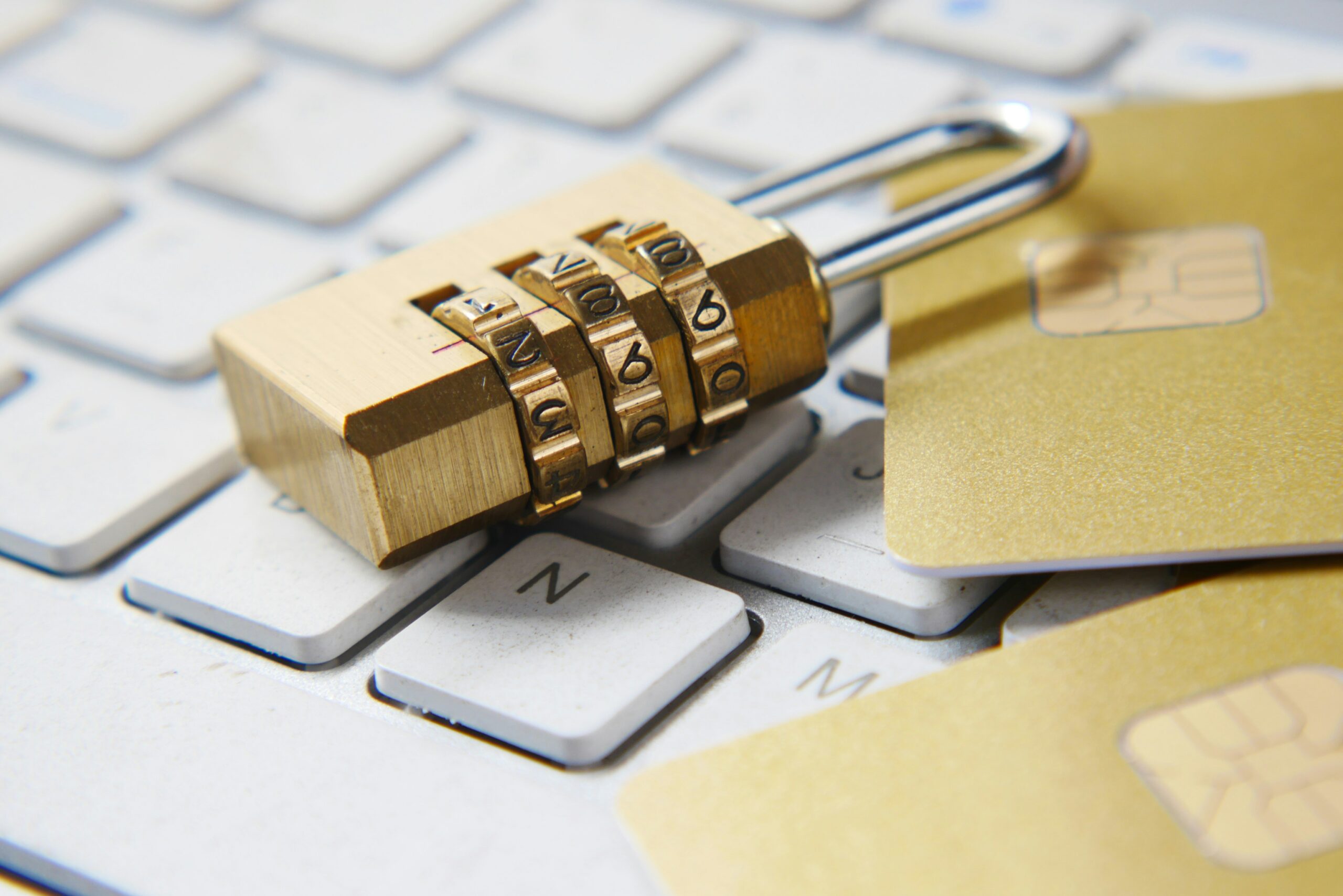
How many different passwords do you use daily? I’m sure there are more than three.
Passwords used to be used only on briefcases used for storing documents, safes used for money, and even on the notebooks where young girls kept their diaries. With the proliferation of electronic devices, passwords have become ubiquitous in our lives. Now, the only people left who can say, “I don’t need a password at all,” are the dead. We’ve all switched to password-based lives. In fact, for the last 50 years, we’ve all become nothing more than numbers. The government sees us as Social Security Numbers.
Without a password, we can’t check our emails, conduct banking transactions, or access our social media accounts. We can’t even turn on our phones and computers, which hold so much important personal information. Without a password, we can’t even withdraw our own money from ATMs. We can’t access government websites. Even downloading an app for online shopping requires a password.
As password-based life has become an indispensable necessity, password security has also become increasingly important. Even if we wanted to use a single password for everything requiring a password for memorability, this has become impossible. Simply writing numbers is no longer sufficient for password security. Requirements such as letters, symbols, and uppercase and lowercase letters, along with numbers, have made it impossible to remember passwords.
People often resort to simple passwords to make them easier to remember. This difficulty becomes even more pronounced for older people.
Look, I took this photo at a bank ATM I visited to withdraw money. Just by looking at the amount of dirt on the keys, you can guess which numbers are most commonly used for passwords. There is a lot of research done on the most commonly used passwords around the world.
More than 2 billion passwords analyzed by organizations like NordPass and Comparitech show that the most popular passwords are still simple and predictable. The most commonly used password globally is “123456.” Most of these passwords contain the sequence “123” and the combination “abc.” Passwords under 8 characters can be compromised in seconds through brute-force attacks.

More than half of the passwords consist of consecutive numbers from 1 to 9. Some wrote them from 1 to 4, some from 1 to 5, some from 6 to 7, and so on.
Simple repetitions like 123123 or typing letters sequentially on a qwerty keyboard are the most common password choices. Commonly known dates from family life, such as birth dates and wedding years, are also common choices. Ironically, anyone who creates a password, even a simple one, believes it’s far from predictable. This stems from the belief that no one can know this number, which I keep secret. However, there’s a simple rule: If you want to prevent theft, think like a thief, they say.
How to create a secure password?
The most important way to create a secure password is to use a complex password that is at least 12 characters long and includes uppercase and lowercase letters, numbers, and special characters ($!@#$). It’s important to avoid including personal information in the password. The same password shouldn’t be used in multiple places, such as a bank account or email address. If one is stolen, at least the other will be safe.
Fifteen years ago, I wrote a book on “THE IMPACT OF THE INTERNET ON OUR LIVES.” Social media networks were just developing. 90% of the apps currently downloaded to phones didn’t exist. No one could have predicted that in the near future, people would spend at least 6-7 hours a day staring at their phone screens. Artificial Intelligence has taken this topic to a whole new level. We’ll discuss this topic further later.
Finally, let us state this:
We memorize many passwords and write them down, but we don’t even keep the phone numbers of the people closest to us anymore. We dial them automatically. If we lost our phones, most of us wouldn’t be able to remember a family member’s or friend’s phone number and call them.
One day, in my university Sociology of Communication class, I asked students if they knew their parents’, siblings’, or best friends’ phone numbers in their mind. Only four out of 30 could answer. This very picture reveals an irony of our social lives. Our minds are filled with numbers and passwords, but the phone numbers of our closest friends are no longer in our minds. Sometimes, one wants to shout, “I’m not just a number.”
Social coding and labeling are increasing, as are physical codes. This is also a separate issue that needs to be addressed.
By Prof. Dr. Osman OZSOY