Digital Citizen Corner
Social Media: A Silent Strain on Teen Lives
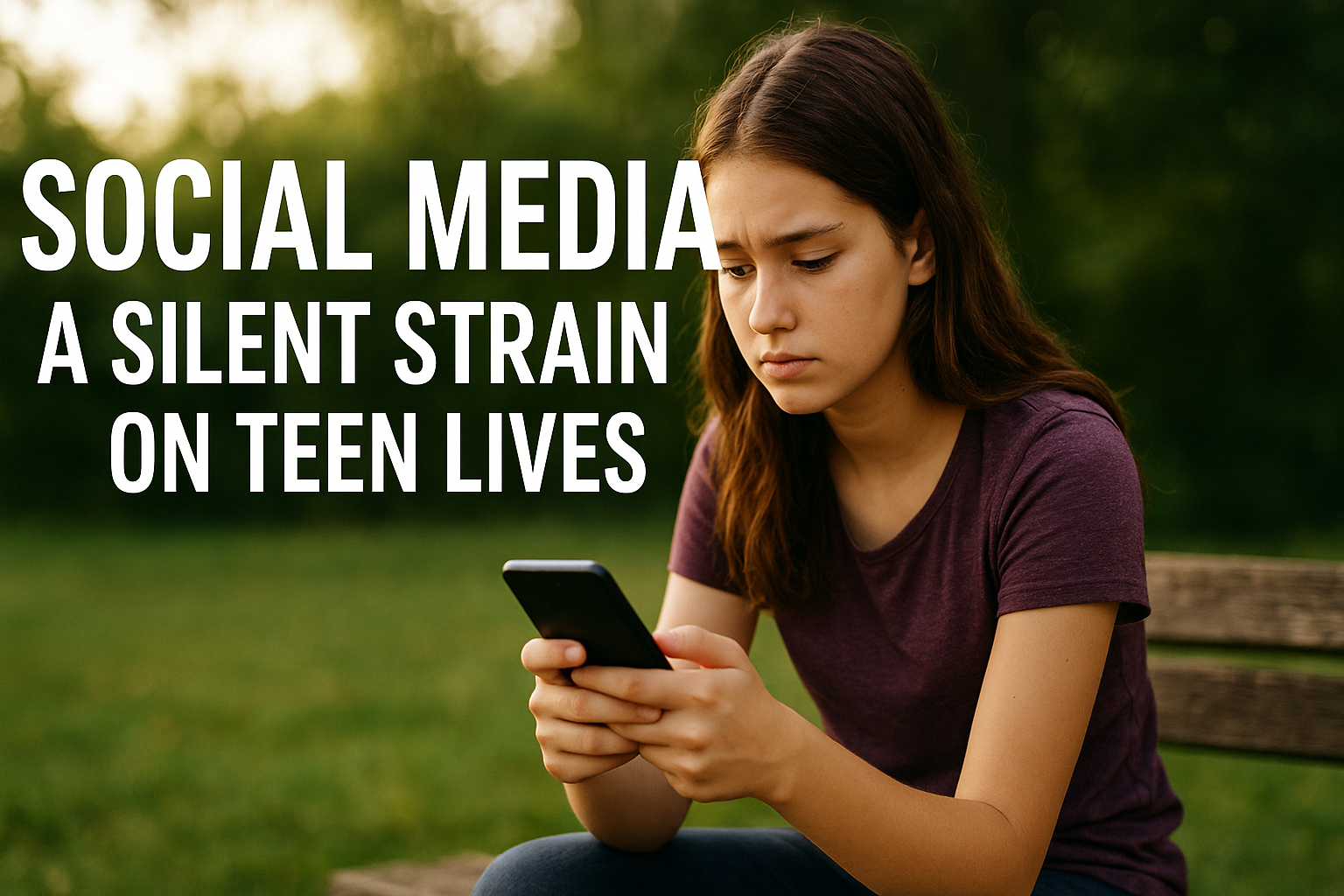
“I don’t feel good unless I’m online.” That’s how one teenager recently described their relationship with social media. For many young people, this isn’t just casual scrolling—it’s an everyday lifeline, and at times, a heavy burden.
Across North America, researchers are sounding the alarm: social media use among teenagers is linked to rising rates of anxiety, depression, and even suicidal thoughts. The U.S. Surgeon General’s 2023 advisory called it a “profound risk of harm” to youth mental health.
And the numbers tell a sobering story. In the United States, 4 in 10 high school students reported feeling persistently sad or hopeless, while 2 in 10 had seriously considered suicide. Girls and LGBTQ+ students face even higher risks, often tied to online harassment and constant comparison to others.
Why Teens Are Struggling
Adolescence is already a confusing and emotional stage. But now, social media adds pressures that older generations never faced:
- Comparison: Teens measure themselves against carefully curated posts, often feeling “not good enough.”
- Bullying: Harassment doesn’t stop at the school gate. It follows them home, on every device.
- Sleep loss: Notifications, late-night scrolling, and blue light disrupt the rest they need most.
- Always on: There’s little escape from the pressures of likes, comments, and keeping up.
The result? A quiet crisis that chips away at confidence, focus, and mental health.
What Can Be Done
Social media isn’t going away, but healthier habits are possible. Parents, teachers, and peers can all help by:
- Setting screen-free times—especially at night.
- Teaching digital citizenship: respect, privacy, and online safety.
- Encouraging offline friendships, hobbies, and real-world confidence.
- Reminding teens that likes don’t measure worth.
And platforms, too, must take responsibility: designing safer spaces, protecting young users, and reducing harmful features that keep teens hooked.
A Shared Responsibility
Social media isn’t just apps on a phone—it’s a culture shaping a generation. Teens shouldn’t have to choose between staying connected and staying healthy.
The challenge before us is clear: to guide them, protect them, and create digital spaces where they can thrive without fear.
Because behind every statistic is a real young person, scrolling, posting, and hoping to be seen.
Written by Bryan Kaye Senfuma
Bryan is a Digital Rights Advocate, Digital Security Subject Matter Expert, Photographer, and a Writer. His articles aim to simplify complex tech issues and inspire readers to make informed, confident choices online. Email: bryantravolla@gmail.com