Viewpoint
Where is the most beautiful place in the world?
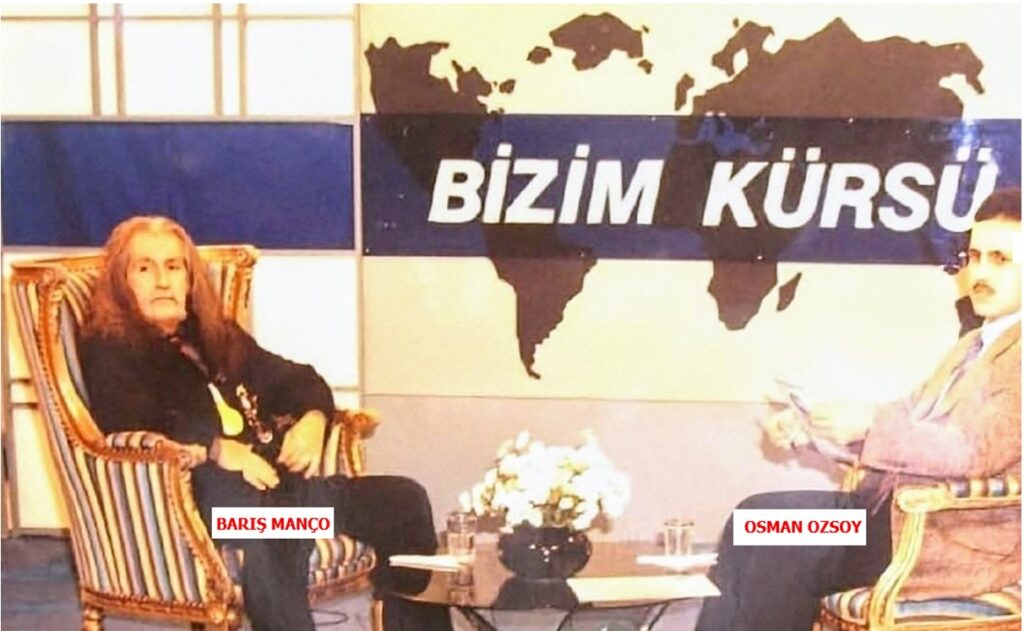
While I was living in Turkey, I also produced television programs for many years. I hosted over 1200 well-known names on my programs. Turkey’s most famous artist, Barış Manço, was among them. At that time, he was on the country’s agenda not only with his best-selling music albums, but also with his television programs. He was so famous that, relying on this loving support behind him, he even said at one point that he wanted to be the president of Turkey.
He also produced the country’s most-watched children’s program. He also traveled to more than 150 countries with his program “Barış Manço with 7’den 77’ye”. The question that is the title of this article was exactly about this subject. When I hosted him on the TV program, I also asked him the following on the program: You have been to more than 150 countries so far. Where is the most beautiful place in the world?
The answer given by Barış Manço surprised me and the audience. He said that the most beautiful place in the world is his own neighborhood in Istanbul. No matter where I go in the world, I miss my neighborhood. I miss the street vendors, grocers, greengrocers, butchers, and my neighbors in my neighborhood. I look for this beauty in my neighborhood everywhere I go, but I can’t find it, he said. This answer given by Barış Manço has never been forgotten.
In this column dedicated to me in Learning Curves magazine, I frequently touch upon the problems experienced by immigrants. The main summary of all the articles I have written on this subject so far is this: No one wants to leave their place of birth, neighborhood, or country without a compelling reason or justification.
Of course, Barış Manço is not the only one who loves the neighborhood he lives in. There is a concept called homesickness in all world cultures. Everyone loves the place where they spent their childhood. You will see that people living in deserts or glaciers do not complain about the places they live. Since these people consider the places they live as their homeland, they do not want to leave unless they have to.
Even migratory birds, even if they migrate to another place for a certain period of time due to climatic conditions, return to their original homeland. Perhaps the only living species that cannot return from where they migrate is human beings. Because there are no examples of the evil that humans do to humans even in the wild.
Barış Manço was born in 1943 during World War II, the deadliest conflict in history in which 50 to 85 million people are said to have lost their lives. As this brutal war continued, people’s longing for peace reached its highest level. His family named him BARIŞ, which means PEACE in English. He was the first baby in Turkey to receive this name.
We long for a world where no one is forced to leave the place where they were born and raised against their will. When those days come, we will be one step closer to world peace. I hope those days are not too far away.
By Osman OZSOY