Digital Citizen Corner
A Day in the Digital Life: Are We Living Smarter or Losing Touch?
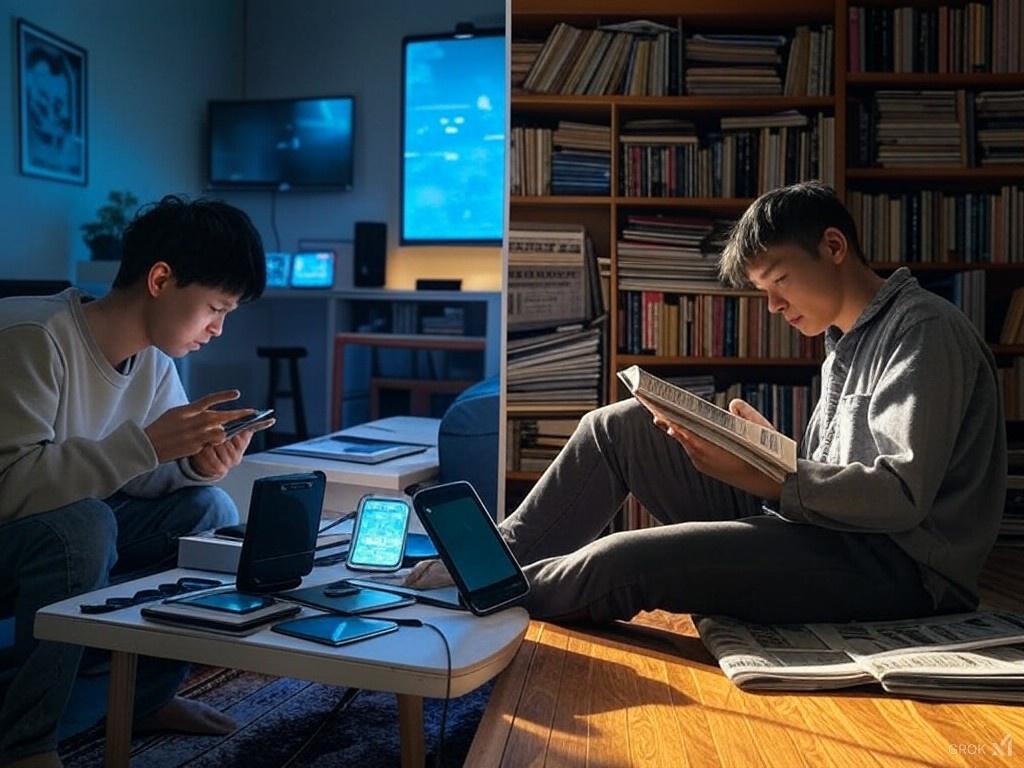
Picture this: The soft buzz of your smart alarm pulls you from sleep. Before your feet hit the ground, you’ve already checked your fitness stats, scrolled through a few emails, and scanned the morning news. By the time you sip your coffee, your calendar has reminded you of the day’s tasks, and your meal delivery app has ensured breakfast is on its way.
Now imagine a different morning, one from a few decades ago. The day begins with the familiar tune of a clock radio. Breakfast conversations revolve around family plans, uninterrupted by buzzing phones. The news comes from the crisp pages of a newspaper, and work doesn’t begin until you’re physically at the office.
It’s a striking contrast. Technology has undoubtedly brought incredible convenience to our lives. But as we embrace these digital tools, it’s worth asking: Are we truly living smarter, or are we losing touch with what really matters?
There’s no denying the wonders of technology. It’s hard to imagine life without the tools that make our days more efficient and connected. Busy parents rely on shared digital calendars to coordinate schedules and meal delivery apps to save time. Video calls keep distant families connected, making the world feel smaller and more accessible.
Technology also empowers us to learn and grow in ways once thought impossible. Online courses bring education to our fingertips. Health apps help us track fitness goals and monitor our well-being. Social media lets us share milestones and memories with loved ones near and far.
It’s easy to see why we’ve embraced this digital era—it’s fast, it’s convenient, and it feels indispensable.
But there’s another side to this story. As technology has woven itself into every corner of our lives, it has subtly reshaped how we live and interact.
Think about the last time you sat down with family or friends. Were you fully present, or was the moment interrupted by a notification or a quick scroll through your phone? Over time, these small disruptions can erode the depth of our relationships.
There’s also the matter of skill atrophy. GPS apps have replaced our sense of direction. Autocorrect has diminished our attention to spelling. And with instant answers at our fingertips, critical thinking and problem-solving often take a back seat.
Perhaps most concerning is the stress of constant connectivity. The unending pings of emails, messages, and alerts can make us feel like we’re always “on.” A recent survey found that many people feel more anxious and less productive due to digital overload.
It’s a lot to take in, and it leads to an important question: Are we using technology to enhance our lives, or is it quietly taking over?
The good news? We don’t have to choose between embracing technology and preserving our humanity. The answer lies in balance.
Start by creating boundaries. Establish tech-free zones, like the dining table or bedroom, to foster real conversations and restful sleep. Limit screen time with app timers or “Do Not Disturb” modes. Small changes like these can make a big difference.
Reconnect with the offline world. Take a walk without your phone, pick up a hobby that doesn’t require a screen, or spend time with loved ones without the distraction of notifications. These moments of disconnection can lead to deeper connections—with yourself and others.
Use technology purposefully. Instead of letting it consume your day, let it support your goals. Use scheduling apps to carve out focused work time and personal downtime. Prioritise face-to-face interactions by using tech to arrange meet-ups, not replace them.
Looking ahead, technologies like artificial intelligence and augmented reality will continue to shape our lives. But how we integrate these advancements will determine their impact. By staying mindful, we can ensure these tools serve us rather than reshape us.
Technology is a gift, one that has the power to transform our lives in extraordinary ways. But it’s also a tool—and like any tool, its value depends on how we use it.
As you reflect on your own digital habits, consider this: Are you the master of your technology, or has it quietly taken the reins? By making small, intentional changes, you can strike a balance that allows you to enjoy the best of the digital world while preserving the richness of real life.
The choice is yours—and it starts today.
“Advocating for Digital Rights: Empowering Voices for Human Rights.”
This article was written by Bryan Kaye Senfuma, Digital Rights Advocate, Digital Security Subject Matter Expert, Photographer, Writer and Community Advocate. You can email Bryan at: bryantravolla@gmail.com