Here In the House of Mirrors
A Long Night in the Killing Cold
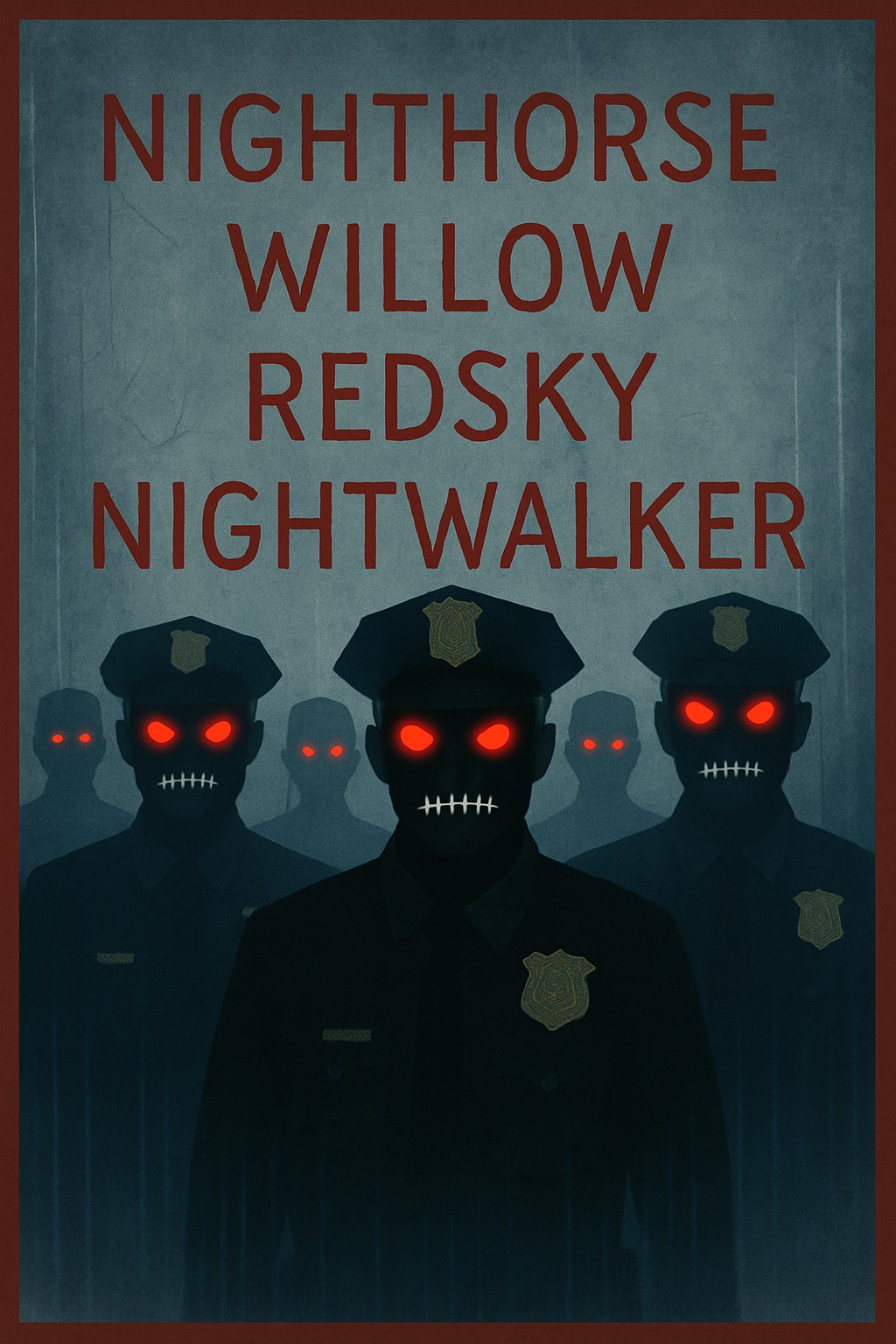
Out past the last streetlight, where the wind stings like a whip and the snow swallows sound, a silent war was waged against those who had already been stolen from. No trial. No defense. No press. Just a dark ride with two cops and a one-way ticket to nowhere. The locals called them Starlight Tours–a quaint name for something closer to murder.
These weren’t just cruel jokes gone too far. These were executions. Calculated, repeated, and buried beneath decades of procedural white noise. The men responsible didn’t wear hoods or masks. They wore uniforms. Badges. They swore oaths. And they broke every damn one of them.
Let’s call them Officer Cain and Officer Lorne–names as hollow as their apologies. In the dead of a prairie January, they stuffed Daryl Nightwalker into the back of their cruiser. His crime? Existing while Indigenous in a city where that was all it took. He didn’t ask to be taken in. He asked to be left alone. Instead, they drove him to the edge of Saskatoon’s frozen ribcage and dumped him out like garbage.
Minus 25 degrees. No gloves. No hat. No chance. But Nightwalker lived. By crawling to a power station and dragging himself inside, he lit the match that exposed a chilling truth: this wasn’t the first time, and it damn well wasn’t going to be the last.
They called it policy. They called it routine. Hell, they even tried calling it a misunderstanding. But when you peel back the layers of that lie, all that’s left is blood in the snow.
Rodney Nighthorse and Laurence Willow, both Indigenous men, were found frozen to death in that same no-man’s-land outside the city. The connection was clear. The outrage was louder. But the verdict? Silence. No one arrested. No one charged. Official cause of death: exposure. Unofficial cause: exposure to systemic rot and blue-line cruelty.
And then there was Neil Redsky, just seventeen when they found him stiff and blue in a snowy field. His face looked like he’d fought. The last person to see him alive said Neil was screaming–terrified he’d be killed by police. That wasn’t hysteria. That was prophecy. A public inquiry years later hinted at “misconduct,” but no one stood trial. No one paid. They shuffled some chairs, offered a few half-choked statements, and locked the doors behind them.
If this story feels cold, it should. But colder still are the hearts of those who handed out death under the cover of law. Cain and Lorne–our shadowy duo from Nightwalker’s case–served a whopping eight months behind bars. Eight months. For kidnapping and nearly killing a man. Insulting is a criminal understatement for this lack of accountability.
Theirs was a sentence dressed as a joke. A middle finger to justice. The message was clear: if you wear the badge, you can play God. No accountability. No real consequences. And for Indigenous victims, no value.
And yet, in all this frostbitten horror, it was Daryl Nightwalker who stood tallest. He didn’t go quiet. He didn’t hide. He dragged the bones of the truth into the daylight and dared the world to look. And for a brief moment, we did. Long enough to mutter words like “reform” and “awareness.” Long enough for headlines. But not long enough for change.
Because here’s the bitter irony: Nightwalker survived the cold, but Canada hasn’t survived the truth. The Starlight Tours were not an aberration–they were a symptom. A ritual. A system with no interest in justice, only order. And when that order is built on racism, silence becomes complicity. Every ignored testimony, every buried report, every tepid apology–it all adds up to one giant, frigid betrayal.
This isn’t just about Saskatoon. It’s about the soul of a country that clutches its myth of kindness while letting its oldest citizens freeze to death on its watch. We are not who we say we are.
Until the men who orchestrated these atrocities–Cain, Lorne, and the ones who taught them how to disappear people–are named, charged, and convicted, the blood stays on all our hands.
So when you hear someone say Starlight Tour with a shrug or a sigh, remind them: that name is a grave. And there are still bodies unaccounted for.
This is Canada’s long night. And morning won’t come until we drag every last shadow into the light.
by Rob Herholz