Continuing Education + Job Training // Publishing since 1999
Studying

Medical Office Assistant – A Good Investment

By WENDY TERRY - December 17 2012

In September while I was attending a graduation event for Access Business College (See advertisement on back page), Sonia Nerses, the Executive Director spoke to me about the value of a Medical Office Assistant certificate for today’s labour market.

What do Medical Office Assistants do? They used to be called Medical Secretaries, and they are the first people you speak to when you enter a doctor’s office, a medical lab, a clinic or a health care facility. They often call you to remind you of an appointment or give the dates and times for a referral to a specialist. They will have found your medical records for the doctor before your appointment. They make sure the charges get billed to OHIP or an insurance company.

What do they need to know? They need to be knowledgeable about basic medical terminology and specialized computer programs for logging in appointments, billing OHIP or insurance companies, and maintaining the health care records of patients.

What are the elements of the job? Medical Office Assistants keep regular work hours in an office setting. Entry level pay is $15 to $18 an hour. You can use this position to move into other areas of health care like Medical Records or Transcription in hospitals, long- term care facilities, OHIP itself or a health insurance companies. Given that the baby boomers (almost a quarter of the population) are moving into their senior years and will spend a lot of their time on medical problems, you can expect the job opportunities to grow in this area.

Sonia, herself a nurse, is now dedicated to helping her students find work through Access Business College. She is wizard at helping students find funding through Second Career and other programs. While researching jobs and training for your employment counselor, consider training as a Medical Office Assistant. As Sonia says, it’s a good educational investment.


Digital Citizen Corner
Learning Curves

Can We Trust What We Read Online?

By BRYAN SENFUMA -
May 3 2026

Have you ever come across a message in a group chat or on social media that made you pause and wonder, “Is this really true?” This has become part of everyday life in a connected world. Information moves quickly, and so do we. This raises an important question—can we still trust what we read online?

Read more...

Love of Learning
Learning Curves

Your Creative Potential Didn't Disappear. It Just Fell Asleep

By ANNA KARLOVA -
April 9 2026

We are all born with a unique set of creative abilities that make our view of the world one-of-a-kind. But what happens to us as we grow up? Why are so many people convinced they're "not creative," even though as children they could spend hours drawing, making up stories, or building fantastic constructions? It's as if we find ourselves in a state of winter hibernation — our creative abilities don't disappear, they fall asleep under layers of social limitations and fear.

Read more...

Viewpoint

Elderly people waiting for a bus that will never come

By OSMAN OZSOY -
April 5 2026

Dementia is one of the fastest-spreading diseases in the world. 20% of those over 70 and 40% of those over 80 suffer from this disease. Much can be written about this in our increasingly aging world. Our task should be to delay the effects of aging with activities that keep the mind sharp, without having to face the problem of waiting at fake stops where no bus ever passes.

Read more...

Digital Citizen Corner
Learning Curves

Digital Addiction: When the Online World Takes Too Much of Our Time

By BRYAN SENFUMA -
April 4 2026

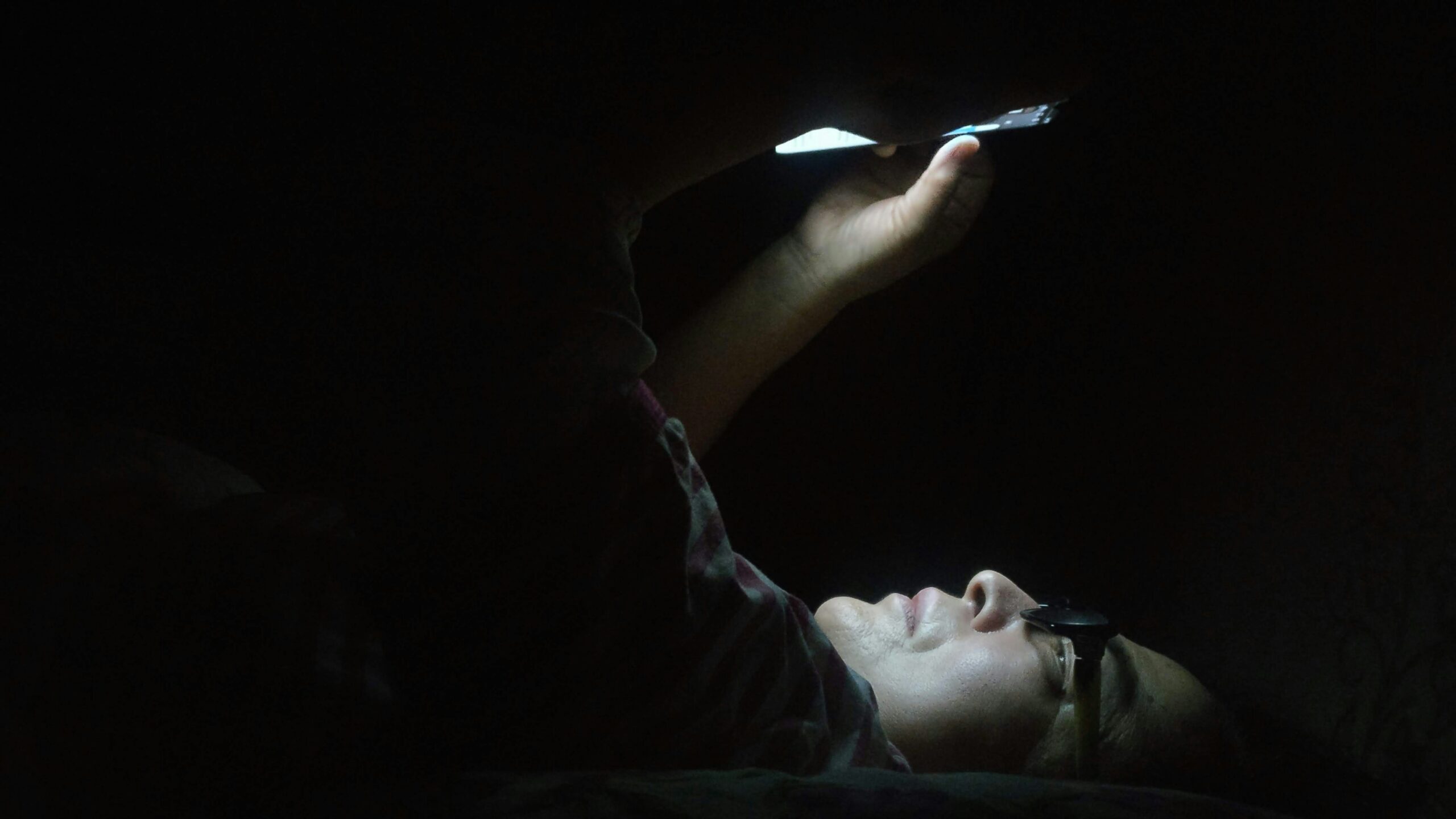
Have you ever picked up your phone to check one message, only to look up and realize that much more time has passed than you expected? What began as a quick glance turns into scrolling, watching, clicking—and suddenly, an hour is gone.

Read more...